It might sound counterintuitive, but research shows that playing browser games between study sessions can actually improve focus, retention, and academic performance. The key is choosing the right games and playing them in moderation. Here's how casual gaming can become a valuable study tool.
The Science Behind Gaming Breaks
Neuroscience research reveals that our brains can't maintain intense focus indefinitely. The Pomodoro Technique — studying for 25 minutes then taking a 5-minute break — is popular because it works. During those breaks, light gaming can:
- Reset attention — Give your brain a different type of task
- Reduce stress — Lower cortisol from intense studying
- Boost dopamine — Create a reward loop that motivates return to studying
- Improve mood — Combat study fatigue and boredom
Best Browser Games for Study Breaks
Not all games are suitable for study breaks. The best ones share these traits: short sessions (2-5 minutes), simple mechanics, no addictive loops, and cognitive benefits.
1. Puzzle Games
Logic puzzles keep your brain engaged without overtaxing it. Games like Match 4 and Memory Match are perfect for quick mental resets.
Play Match 4 | Play Memory Match
2. Word Games
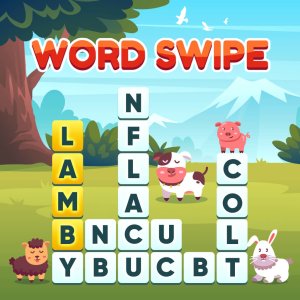
Word games complement language learning and keep vocabulary fresh. Try Word Swipe for a quick 3-minute challenge.
3. Music and Rhythm Games
Games like Piano Fire engage different brain regions than studying, making them perfect reset activities.
4. Drawing Games
Creative games activate the right brain hemisphere, providing balance after left-brain-heavy studying. Drawing is a relaxing, low-pressure option.
The Pomodoro + Gaming Method
Here's a proven study-break-gaming method:
- Study for 25 minutes — Focus intensely on your material
- Play a browser game for 5 minutes — Choose something light and fun
- Return to studying — You'll feel refreshed and refocused
- After 4 cycles, take a 20-minute break — Step away from screens
Games to AVOID During Study Breaks
Some games can sabotage your study session:
- Multiplayer competitive games — Too much adrenaline and commitment
- Games with microtransactions — Distraction from the break purpose
- Long RPG sessions — Hard to stop once started
- Social media games — Lead to scrolling instead of returning to study
Building Healthy Gaming-Study Habits
- Set a timer for your gaming break — 5 minutes max
- Choose games that end naturally (level-based, not endless)
- Keep your game tab separate from your study materials
- Track your productivity — if gaming breaks help, keep doing them
- Be honest with yourself — if a game is too addictive, pick a different one
Ready to try gaming-enhanced studying? Explore our puzzle games and casual games for perfect study-break options!